
Now you can own a piece of the franchise.
You don’t need a billionaire’s checkbook. Fractional ownership splits one stake into shares that ordinary investors can buy — through SEC-qualified offerings.
What’s the deal with alternative assets?
Most investing means stocks, bonds, and funds that hold more stocks and bonds. Alternative assets are the other category. Fine art. Collector cars. Fossils. Music catalogs. Sports teams. Things with their own buyers and their own reasons for moving, mostly disconnected from whatever the market did today.
They have been out of reach for an ordinary reason. One painting, one car, one stake in a team starts at six or seven figures, and those deals get done privately between people who already know each other. Clear that bar and you still need somewhere to keep the thing, insurance on it, and a way to prove it is what the seller claimed.
Fractionalization takes that apart.
A registered broker of record handles the sale, and the rules that cover any regulated investment cover this one. A stake that used to start at seven figures can start at a few hundred dollars.
Why invest in a sports team?
Plenty of things hold their value. Very few of them have people who will still be arguing about them in a bar sixty years from now. That attachment turns out to have an economic shape.
Supply rarely changes
A league fixes how many teams exist. Interest in owning one can climb for a decade without a single new team appearing to buy.
Revenue you can see coming
Media rights get signed years ahead. A large share of next season’s income is known before anyone takes the field.
More than one way it earns
Broadcast, gameday, sponsorship, merchandise. Four income lines rather than one, each with different buyers behind it.
It earns while you hold it
A painting pays nothing until you sell. A team takes money every year it operates, whatever happens to its valuation.
Not tied to the stock market
Values move on the sport, the league and the brand. Rate decisions and earnings season are somebody else’s problem.
Finally reachable
Fractional shares put a category that started at nine figures inside an ordinary budget, without the private invitation.
These describe how the asset class works. None of them is a promise about what any investment will do. Team values can fall, league economics can change, and every offering carries its own risks, set out in its offering circular. Reg A Tier 2 shares are illiquid, and you can lose the entire amount you put in.
Not every team is a major-league team
“Sports ownership” covers a wider range than the franchises that make the news, and the tiers behave very differently in price, risk and how often anything comes to market.

Major league franchises
The most visible and the most capped in supply. Stakes come to market rarely, and league approval governs who may hold them and on what terms.

Minor league & affiliate teams
Smaller, more frequently traded, and often tied to a parent organization. A different risk profile entirely from the top-tier team whose name is on the jersey.

eSports organizations
Younger, faster-moving, and built on digital audience and sponsorship rather than a stadium. Higher variance, and without the league scarcity that defines traditional franchises.

Athlete-backed ventures
Structures tied to an individual career or venture rather than a team. Economically distinct from franchise equity, and worth assessing on completely separate terms.
Shares in a series. The series holds the stake.
You are not buying a piece of the team from the team. You are buying shares in a series entity, and that entity holds a defined ownership interest — set out in SEC-qualified offering documents. The distinction matters for what you are entitled to, and for what you are not.
The figures above are a hypothetical illustration of how a deal may be structured. They are not an offer, and not the terms of any actual or planned aShareX offering. aShareX has not completed a pro sports offering to date.
aShareX has created the first full lifecycle platform for investing and earning from alternative assets.
It’s easy to sign up for free and register your interest in any upcoming offerings.
How franchise equity behaves differently
A structural comparison, not a performance one. These are characteristics of how each asset type works, not claims about what any of them has returned or will return.
| Characteristic | Pro sports franchise | Public equities | Physical collectibles |
|---|---|---|---|
| Supply | Capped by league rule | Expands via issuance | Fixed, but discovery adds to it |
| Income while held | Possible, structure-dependent | Dividends, where paid | None |
| Revenue visibility | Media rights contracted ahead | Quarterly, forward-looking guidance | Not applicable |
| Custody & condition risk | None — it is an entity, not an object | None | Storage, insurance, condition |
| Authenticity risk | None | None | Material — provenance dependent |
| Liquidity | Low — private, infrequent sales | High | Low — auction-cycle dependent |
Where to go from here
Start with how an offering works, which walks the mechanism end to end, including how a raise gets priced by auction or at a fixed price. After that it usually comes down to two questions. How income reaches shareholders, when an asset produces any. And whether you can ever sell, which is the one worth reading before you do anything else.
From the newsroom

Engaging the fanbase
A Van Gogh and the Seattle Seahawks, and what fan ownership has to do with both.
Read more →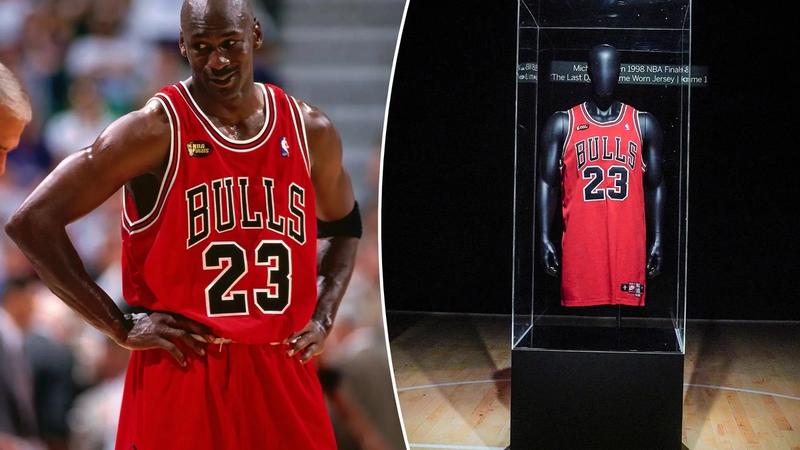
Sports Collectibles: Investing FTW
The collectibles side of sport, and how a card or a signed bat gets valued.
Read more →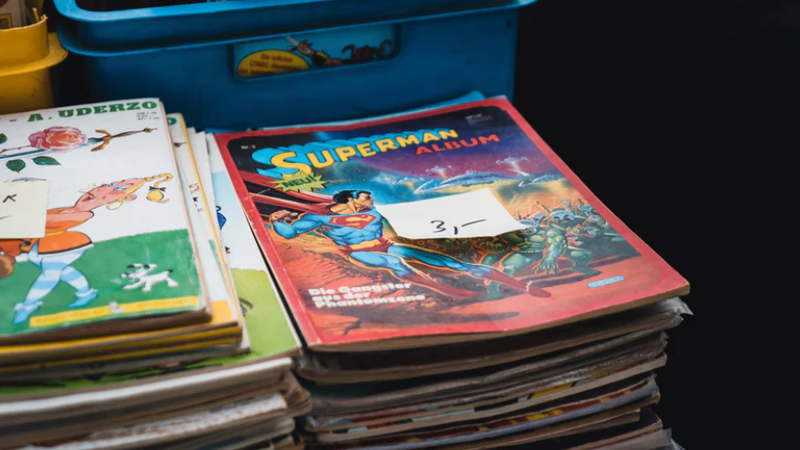
What Is Fractional Investing in Alternative assets? A Beginner's Guide
A slower walk through fractional ownership, if the explainer above went quickly.
Read more →Sports team ownership, answered
Can an ordinary investor really own part of a professional sports team?
Where does a franchise’s revenue actually come from?
Would I have any say in how the team is run?
Would I receive income, or only a return on sale?
Why are franchises described as scarce?
Do I need to be an accredited investor?
Can I sell my shares?
Does a winning season make my shares worth more?
Could I lose everything?
Be first to know what’s next
New assets. New opportunities. New ways to invest. Join the aShareX list and hear about upcoming offerings before they launch.
Already hold a stake in a team? See how selling works →