How it works

From asset to investment.

aShareX turns an asset or opportunity into an investable offering. Once qualified by the SEC, investors can purchase shares at a fixed price or through an auction.

Put simply: you own real shares in the company that owns the asset.

  1. 01The asset

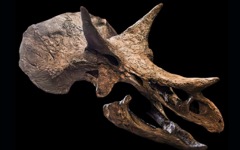
    A Triceratops skull, offered at $800,000.

  2. 02A company is formed to own it

    One company, one asset. It exists only to hold this one, in independent custody.

  3. 03The company issues shares

    80,000 shares at $10, under an SEC-qualified offering. Sold at a fixed price or by auction.

  4. 04You own shares in that company

    A $500 investment is 50 shares. Not shares of aShareX, and not a claim on the platform.

Illustrative. The $800,000 total, the $10 share price, the $500 investment and the share grids are an example of the arithmetic, not figures from an aShareX offering.

SEC-qualified offerings · Reg A Tier 2Broker-dealer of record: Dalmore Group, LLC
Pricing

Two ways to determine the price

An offering can launch at a fixed price or let the market determine the price through an auction. Either way, investors purchase real shares through an SEC-qualified offering.

Fixed price

Know the price upfront

Shares are offered at a set price. You choose how much you want to invest and purchase at that price — no bidding required.

Simple, predictable, and straightforward.

Auction

Let the market set the price

Investors bid through a transparent auction process, with the price determined by demand. What makes aShareX different: fractional investors and bidders for the entire asset can participate in the same auction.

One asset. One auction. Market-driven pricing.

The patent-approved difference

Fractional and whole-asset bidders. One auction.

With aShareX, fractional ownership and whole-asset acquisition aren’t separate marketplaces. Both can compete for the same asset, at the same time, through the same auction.

Our patent-approved technology makes it possible — creating a new way for the market to determine who owns an asset and at what price.

Round by round

Fractional bidders
One paddle

11 of 21 still bidding

Asking price
$800,000
Whole-asset bidders
One paddleOne paddleOne paddle

0 of 3 still bidding

  1. Round 1: The round opens

    An asking price is published. Fractional bidders commit the amount they want to invest at that price, and whole-asset bidders bid for the entire thing.

  2. Round 2: The pool is counted

    Every fractional commitment is added together. The total clears the asking price, so the pool stands as a single paddle against the whole-asset bidders and the two compete directly.

  3. Round 3: The price rises

    Each fractional bidder decides again at the higher price. Some stop, and the pool carries on with whoever remains — its membership changes between rounds while the paddle does not.

  4. Round 4: Bidding ends

    When nobody will meet the next asking price, the last paddle standing takes the asset. Eleven investors are still in the pool, and between them they have outbid every buyer who wanted the whole thing.

Three ways the auction can end

Fractional investors win

If the fractional bids collectively win the auction, participating investors receive shares based on their committed investment, issued under the qualified offering.

A whole-asset bidder wins

If a whole-asset bid wins, that buyer purchases the asset outright. No fractional shares are issued, and fractional bidders are not charged.

The asset doesn’t sell

If bidding doesn’t reach the opening price, the auction closes without a sale. No shares are issued and no bidders are charged.

Asking prices shown in the diagram are illustrative. The opening price, the increment between rounds and the fractional minimum are published with each offering, along with its auction rules.

Afterward

Once you own the shares

The asset is professionally held

The underlying asset is placed with independent third-party custody, separate from aShareX, with storage and insurance managed as part of the offering.

Income is distributed pro rata

When an asset generates distributable income, you receive your proportional share. Not every investment produces income; some are held primarily for potential appreciation. How distributions work

Hold today. Liquidity is coming.

A secondary market is in development but is not available today. Until then, investors should expect to hold their shares until the underlying asset is sold. Where this stands

Shareholders have a say in the exit

The asset is independently appraised annually, and shareholders vote on whether to continue holding or to sell. No offering is designed to run longer than eight years, at which point the asset is sold and net proceeds are distributed to shareholders.

Questions

More about investing with aShareX

What do I actually own?
You own shares in a company formed to hold the specific asset — not shares of aShareX and not a claim against the platform. The underlying asset is held separately through independent custody.
Do I have to be an accredited investor?
No. Reg A Tier 2 offerings can be open to both accredited and non-accredited investors. Investment limits may apply to non-accredited investors, as described in each offering’s documents.
What do I need to do before I can invest?
First, create an aShareX account. When you’re ready to invest, you’ll complete the required identity, eligibility, KYC, and AML verification. Additional account types, including joint and trust accounts, are in development.
What is the minimum investment?
Minimums vary by offering and are shown on each offering page. Some opportunities may start as low as $100.
When does money leave my account?
For an auction, your bid is a commitment — not an immediate payment. If the fractional investors win, successful commitments are funded after the auction closes. If you don’t win, you aren’t charged.
Can I bid in one round and stop in the next?
Yes. Each round gives you the choice to continue at the new asking price or stop. If you stop, you have no obligation to continue and the remaining bidders can carry on without you.
Can I sell my shares whenever I want?
Not today. aShareX is developing secondary-market capabilities, but they are not currently available. Investors should consider these investments illiquid and be prepared to hold until an exit occurs.
Who holds the asset?
The underlying asset is held through an independent custodian, separate from aShareX. Storage, insurance, and other asset-management requirements are handled as part of the offering structure.
Is aShareX a broker-dealer?
No. Dalmore Group, LLC serves as broker-dealer of record for aShareX offerings. aShareX provides the technology and infrastructure used to operate and administer the offering lifecycle.
See what’s available

Explore current and past aShareX offerings, including investment terms, pricing format, and offering status.

Offerings are speculative, illiquid, and involve a high degree of risk, including the possible loss of your entire investment.